
Understanding Nakji Bokkeum and Its Flavor Profile
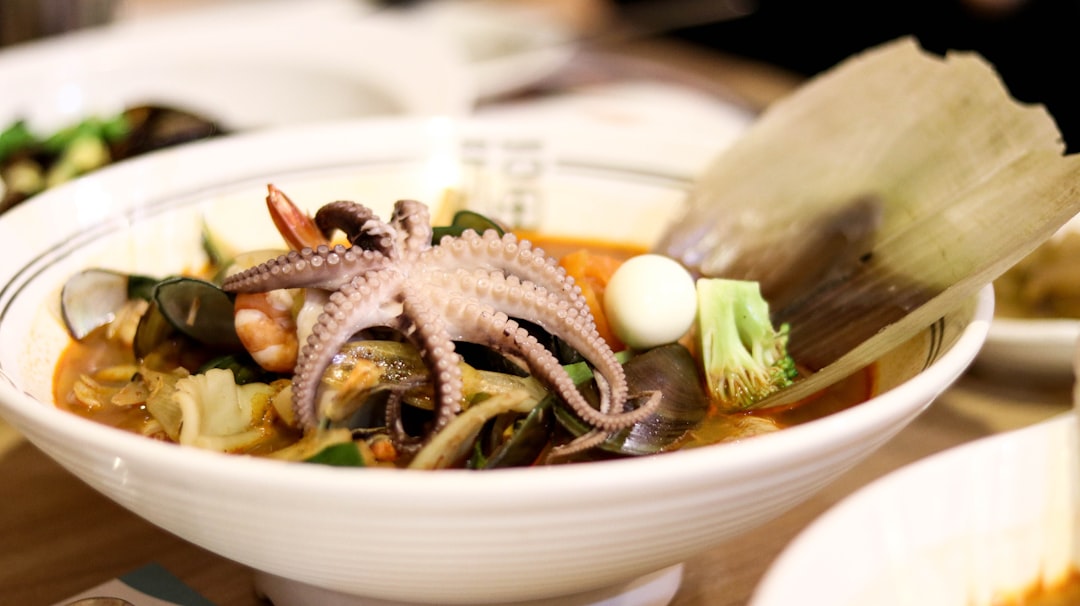
Nakji bokkeum, the beloved Korean street food of spicy stir-fried octopus, is far more complex than its simple appearance suggests. This dish combines tender octopus tentacles with a fiery gochugaru (red chili pepper) base, often enhanced with garlic, sesame oil, and a touch of sweetness. The result is a multi-layered flavor experience that demands careful beverage pairing. While soju remains the most common choice, Korean drinking culture offers far more sophisticated options that can elevate your nakji bokkeum experience to restaurant-quality sophistication.
The key to successful pairing lies in understanding how alcohol interacts with the dish’s heat, umami richness, and textural contrast. The spice level requires beverages that won’t clash with the chili peppers while still complementing the seafood’s delicate sweetness. Western drinkers accustomed to wine pairings will find Korean alcohol pairing remarkably intuitive once they understand the fundamental principles.
Soju Beyond the Basics: Premium Options
Craft and Heritage Sojus
While regular soju is a safe choice, premium varieties deserve your attention. Andong soju, produced in the Andong region of North Gyeongsangbuk-do, represents the pinnacle of traditional soju craftsmanship. With an alcohol content typically between 40-45%, Andong soju offers a smoother, more refined profile than mass-produced alternatives. Its subtle sweetness and clean finish don’t overpower nakji bokkeum’s flavors; instead, it cleanses your palate between bites.
For those seeking modern interpretations, craft distilleries throughout Seoul and Busan have begun producing small-batch sojus infused with local ingredients. Some experimentation here can yield delightful surprises, particularly fruit-forward varieties that echo the natural sweetness in the octopus preparation.
Temperature Matters
Most Western drinkers consume soju chilled, but the temperature significantly impacts pairing effectiveness. Serve premium soju at room temperature or slightly chilled to appreciate its complexity. The warmer temperature allows the spirit’s nuances to emerge, creating a more harmonious dance with nakji bokkeum’s intense flavors. This approach transforms soju from a mere heat-dampener into an active culinary partner.
Makgeolli: The Underrated Pairing Champion
Why Makgeolli Works
Makgeolli, Korea’s traditional rice wine, might be the perfect nakji bokkeum companion. This milky, slightly sweet beverage possesses a lower alcohol content (typically 6-8%) and a creamy mouthfeel that beautifully counterbalances spicy dishes. The rice-based character complements the seafood without competing for attention. Unlike soju’s sharp profile, makgeolli’s gentle nature soothes the capsaicin burn while its natural sweetness enhances the dish’s umami undertones.
Brands like Kooksoondang and Kooksoondang Makgeolli have modernized Korea’s oldest alcoholic beverage, creating filtered versions that appeal to contemporary palates while maintaining traditional flavor integrity. Premium makgeolli from smaller Korean breweries offers complexity comparable to natural wines, with subtle floral and fruity notes that elevate casual street food into refined dining experiences.
Fruit-Infused Varieties
Contemporary makgeolli producers have introduced fruit infusions that pair remarkably well with nakji bokkeum. Omija (five-flavor berry) makgeolli adds tartness that cuts through the spice’s intensity, while yuzu-infused versions provide citrus notes that echo seafood’s natural brightness. These innovations make makgeolli increasingly accessible to Western drinkers while deepening appreciation for Korean brewing traditions.
Cheongju and Yakju: The Sophisticated Choices
Cheongju for Refined Palates
Cheongju, Korea’s clear rice wine, represents sophisticated drinking culture beyond soju’s reach. With an alcohol content between 16-21%, this delicate spirit offers floral aromatics and subtle sweetness that don’t compete with nakji bokkeum’s bold flavors. Instead, cheongju acts as a bridge, highlighting the dish’s complexity while remaining a graceful background player.
Brands like Gyeongbokgung and Noongyeoksan produce exceptional cheongju from heritage recipes refined over centuries. The spirit’s refined character makes it ideal for those seeking something beyond casual drinking—perfect for intimate meals where conversation and food deserve equal attention.
Yakju: Medicinal Complexity
Yakju, infused with medicinal herbs and botanicals, presents an intriguing alternative for adventurous drinkers. While less common than other options, quality yakju’s warming qualities complement spicy dishes beautifully. The herbal notes add another flavor dimension without overwhelming nakji bokkeum’s carefully balanced seasoning profile.
Regional Considerations and Personal Preferences
Korea’s distinct regions produce characteristic spirits reflecting local ingredients and traditions. Jeolla province, known for culinary excellence, produces exceptional makgeolli and soju worth seeking out. Gyeonggi province offers innovative craft options. When exploring Korean alcohol, consider researching local producers from regions whose cuisine you already enjoy—flavor affinities often transcend specific beverages.
Ultimately, the best pairing reflects your personal preferences. Start with makgeolli for comfort and balance, explore premium soju for tradition, and venture toward cheongju when seeking sophistication. Each option tells a story about Korean drinking culture while transforming nakji bokkeum from casual street food into a culinary conversation worth savoring.