
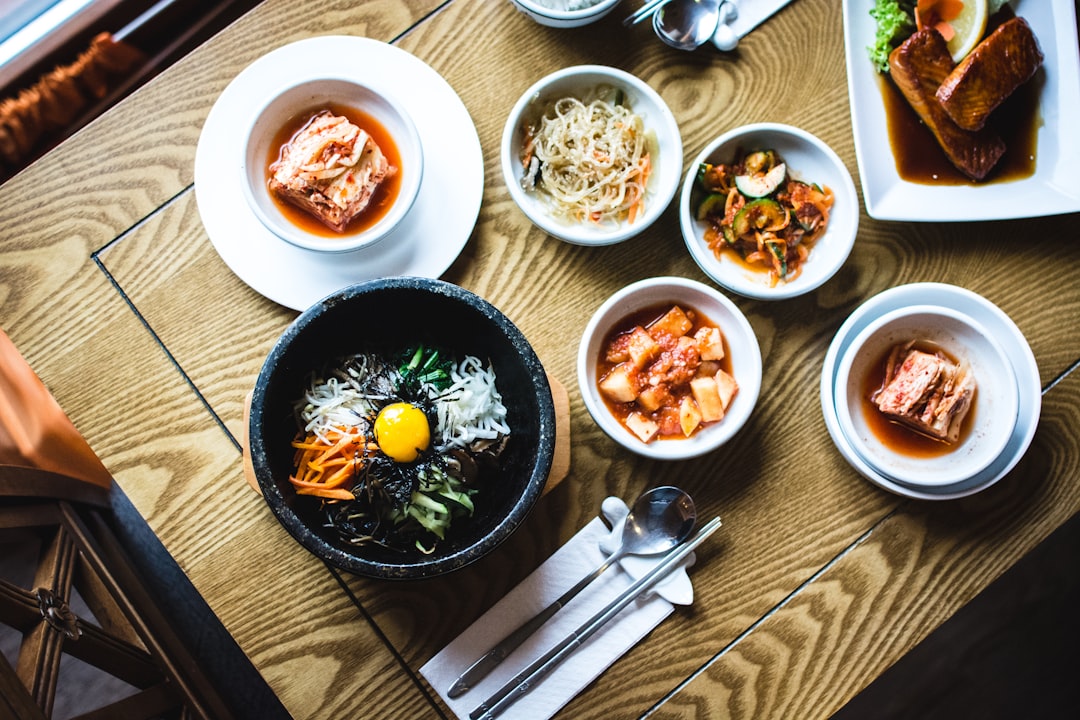
Understanding Gamjatang and Its Flavors
Gamjatang, Korea’s beloved potato stew, is a rustic comfort dish that warms both body and soul. This hearty broth-based stew features tender pork bones, potent gochugaru (Korean red chili flakes), and soft potatoes in a savory, slightly spicy sauce. The dish originated from Korean home cooking but has become a staple in restaurants nationwide, often served bubbling hot in cast iron pots. Its rich, complex flavors demand a beverage partner that can either complement or cut through the richness while enhancing the overall dining experience.
The spice level and umami-forward broth of gamjatang present unique pairing challenges and opportunities. Unlike delicate dishes, gamjatang’s bold, warming character requires beverages with enough personality to stand alongside it. Korean alcohol, with its diverse flavor profiles and cultural significance, offers the perfect solutions for maximizing your gamjatang experience.
Soju: The Traditional and Versatile Choice
Classic Soju Pairings
Soju remains the most popular spirit in Korea, and for good reason when pairing with gamjatang. This distilled spirit, typically around 20% ABV, has a clean, slightly sweet profile that cuts through the broth’s richness without overwhelming your palate. The neutral flavor of traditional soju allows the stew’s intricate spice notes to remain the star of your meal. Brands like Jinro, Korea’s bestselling soju brand, offer a crisp finish that cleanses the palate between spoonfuls of spicy broth.
Premium Soju Options
If you’re seeking a more sophisticated experience, premium sojus offer additional complexity. Ahn Sung, a luxury soju from the Andong region, provides subtle grain notes and smoothness that elevate the pairing experience. Gyeongju’s Chamisul represents another excellent choice, offering a refined taste that complements rather than competes with your stew. These premium varieties work particularly well when served chilled in small glasses, allowing you to sip gradually throughout your meal.
Serving your soju ice-cold is essential—the refreshing temperature provides a striking contrast to the steaming bowl of gamjatang and helps reset your taste buds between bites.
Makgeolli: The Creamy, Smooth Alternative
Why Makgeolli Works Beautifully
Makgeolli, Korea’s traditional rice wine, offers a completely different pairing experience from soju. This cloudy, slightly sweet beverage with its creamy texture creates an harmonious balance with gamjatang’s spicy complexity. The fermented rice flavor and gentle sweetness of makgeolli soothe the heat from gochugaru while complementing the pork broth’s savory depth. This pairing is particularly popular among Korean home cooks and represents authentic Korean drinking culture at its finest.
Notable Makgeolli Brands
Seoul Makgeolli, made from pure rice and traditional fermentation methods, pairs exceptionally well with gamjatang. The slightly thicker consistency and subtle sweetness create a luxurious mouthfeel that enhances each spoonful of stew. Kooksoondang, another venerable makgeolli producer from the Icheon region, offers versions that range from lightly sweet to more robust, allowing you to choose based on your heat tolerance and stew preparation.
Serve makgeolli slightly chilled but not ice-cold—around 40-45 degrees Fahrenheit is ideal. This temperature preserves its delicate fermented notes while providing refreshment without shocking your palate.
Specialty Korean Beverages Worth Exploring
Yakju and Traditional Rice Wines
For those seeking premium experiences, yakju—a clear, more refined rice wine—offers sophisticated pairing possibilities. Unlike makgeolli’s cloudiness, yakju’s clarity and higher alcohol content (around 16-20% ABV) provide a more delicate counterpoint to gamjatang’s boldness. These traditionally brewed beverages, often aged for complexity, work wonderfully for special occasions when you’ve prepared particularly flavorful gamjatang.
Korean Beer Considerations
While Korea produces excellent beers, lighter, crisper options work better with gamjatang than heavier styles. Korean pilsners and pale lagers cut through the broth without adding competing flavors. However, traditional Korean spirits generally offer more authentic and rewarding pairings for this particular dish.
Practical Pairing Tips and Cultural Notes
Korean dining culture emphasizes shared experiences—traditionally, drinks are poured for others rather than oneself, fostering connection and respect. When enjoying gamjatang with friends, this practice enhances the meal’s convivial atmosphere.
Consider your spice tolerance when selecting beverages. If your gamjatang includes extra gochugaru or fresh chili peppers, opt for sweeter, creamier options like makgeolli. For milder preparations, soju’s crispness provides excellent palate cleansing. Temperature matters significantly—serve hot gamjatang with properly chilled drinks for maximum contrast and refreshment.
Pairing gamjatang with Korean alcohol transforms a simple meal into a cultural journey. Whether you choose soju’s versatility, makgeolli’s creamy harmony, or premium specialty beverages, you’re embracing centuries of Korean dining tradition. Experiment with different brands and styles to discover your perfect pairing, and most importantly, share the experience with others to truly embody Korean drinking culture. The combination of warming, spicy gamjatang with properly chosen Korean beverages creates memorable meals that nourish both body and spirit.