
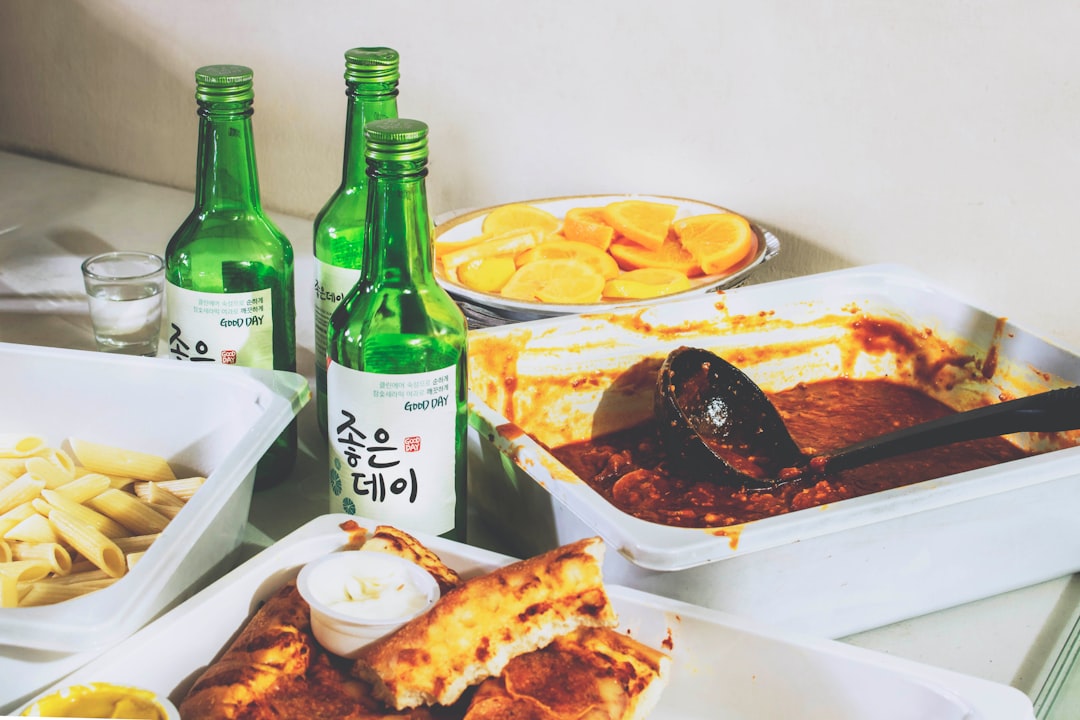
The Art of Pairing Alcohol with Nakji Bokkeum
Korean cuisine has a remarkable ability to challenge our palates with bold, spicy, and complex flavors. Nakji bokkeum—tender octopus stir-fried with gochugaru, garlic, and vegetables—exemplifies this beautifully. While many Western drinkers automatically reach for soju when enjoying Korean food, the truth is far more nuanced and exciting. The perfect pairing elevates both the dish and the drink, creating a harmonious dining experience that extends far beyond the typical shot glass ritual.
Finding the right beverage to accompany nakji bokkeum requires understanding how different alcohol styles interact with the dish’s spicy, umami-rich profile. The heat from the chili peppers, the chewiness of the octopus, and the aromatic qualities of garlic and sesame all demand thoughtful consideration. Whether you’re dining at a Korean pojangmacha (food stall) or recreating the experience at home, this guide will help you navigate Korean drinking culture with confidence and sophistication.
Beyond Soju: Traditional Korean Spirits
Makgeolli: The Unsung Hero
Makgeolli, Korea’s traditional rice wine, deserves far more attention than it typically receives in Western circles. This slightly sweet, creamy beverage with its characteristic milky appearance offers unexpected magic when paired with nakji bokkeum. The natural sweetness and low alcohol content (typically 6-8%) create a cooling effect that counterbalances the dish’s fiery spiciness without overwhelming the delicate seafood flavors.
Look for artisanal varieties like those from the Icheon region, Korea’s makgeolli heartland. Brands such as Kooksoondang and Hiogi offer premium options that showcase the drink’s complexity. The slight carbonation and yeasty notes in quality makgeolli complement the umami depths of the octopus beautifully, while its body is light enough to refresh your palate between bites.
Cheongju: The Sophisticated Choice
Often overlooked in favor of its cloudier cousin, cheongju is clear Korean rice wine with a more refined character. With alcohol content ranging from 16-20%, it carries more intensity than makgeolli while maintaining elegance. Premium cheongju varieties possess subtle fruity and floral notes that resonate with nakji bokkeum’s aromatic garlic and sesame components.
Seek out aged cheongju from established breweries, which develop deeper complexity over time. The drink’s slightly dry finish provides excellent balance to the dish’s richness, and its traditional preparation methods ensure authentic pairing dynamics that have been perfected over centuries of Korean dining culture.
Beer: The Modern Korean Approach
Craft Ales and IPAs
Korea’s burgeoning craft beer scene has introduced innovative options that pair surprisingly well with nakji bokkeum. Korean craft breweries have embraced bold, experimental styles that complement rather than compete with spicy food. Look for hoppy IPAs and pale ales that offer sufficient bitterness to cut through the chili heat while providing carbonation that cleanses the palate.
Breweries like Craftworks Taphouse and Namhae Brewing Company produce exceptional small-batch beers specifically designed for pairing with traditional Korean dishes. These beers typically feature citrus or pine notes that harmonize with the octopus’s briny, oceanic qualities.
Pilsners and Lagers
For those preferring lighter beer styles, Korean pilsners and lagers remain excellent choices. Their crisp, clean profiles and refreshing carbonation provide ideal contrast to nakji bokkeum’s intense flavors. Major breweries like Cass and OB (Oriental Brewery) have perfected these styles for decades, creating reliable companions to spicy Korean fare. The traditional approach of enjoying these beers ice-cold amplifies their refreshing properties, making them particularly suitable for summer nakji bokkeum experiences.
Wine: An Unexpected Discovery
Riesling and White Wine Options
Surprisingly, certain white wines offer exceptional pairings with nakji bokkeum. German Rieslings, particularly those with slight residual sweetness, create beautiful harmony with the dish’s spicy profile. The wine’s floral aromatics and subtle fruit notes complement the octopus without competing for attention. Korean wine producers are increasingly experimenting with white varietals that work well with traditional dishes—exploring local Korean wines adds an interesting dimension to your pairing exploration.
Sparkling and Fortified Wines
Champagne and other sparkling wines might seem unconventional, but their acidity and effervescence provide sophisticated contrast to nakji bokkeum’s richness. The bubbles act as palate cleansers, while the wine’s complexity adds an elegant dimension to the meal. For those interested in exploring fortified wines, certain sherries and vermouths offer intriguing possibilities, though these represent more adventurous pairing choices.
Creating Your Perfect Pairing Experience
The best pairing ultimately depends on your personal preferences and the specific preparation of your nakji bokkeum. Consider the spice level, additional ingredients, and your own taste inclinations. Korean dining tradition encourages experimentation and personal discovery—don’t hesitate to try unconventional combinations.
Whether you choose traditional makgeolli, craft beer, cheongju, or wine, approaching the pairing with intention and curiosity will enhance your appreciation of both the food and beverage. Korean drinking culture emphasizes the social experience and the interplay between flavors, making each meal an opportunity for discovery and enjoyment.